TAF Newsletter: July 20267/2026 - There’s no single path to vibrant, low carbon cities. They take shape through deliberate efforts: better policies and practical solutions that improve everyday life. This month, we've got a climate and affordability lens on municipal elections; more pathways to accelerate solar; a tool for tracking local council activity; financing green buildings; ideas for scaling data centres sustainably, and more.
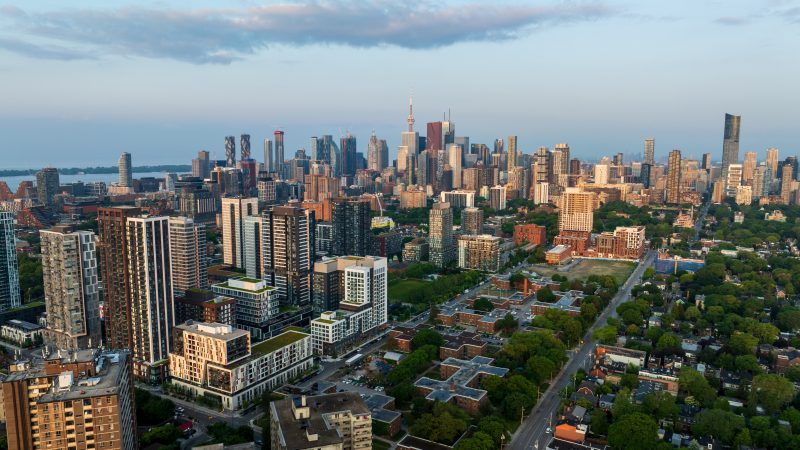
Municipal elections are a chance to lead: A practical vision for a low carbon, affordable future7/2026 - Evan Wiseman explains why green buildings, distributed clean energy, and expanded urban mobility should be top priorities for Ontario municipalities—and why both candidates and voters should view leadership through a climate lens.
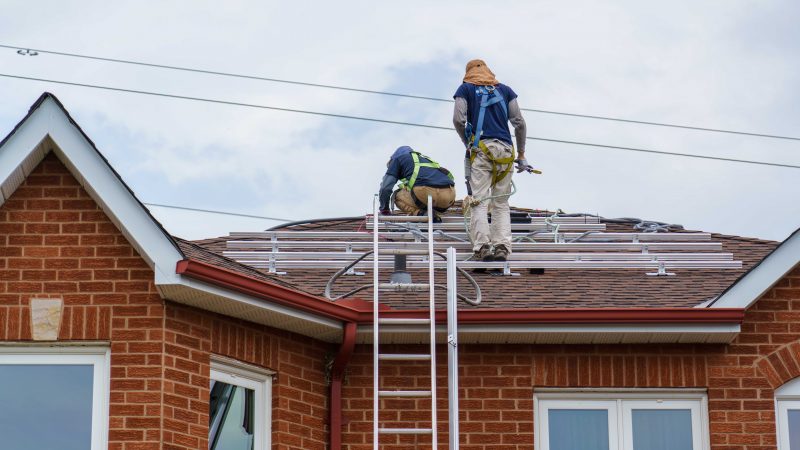
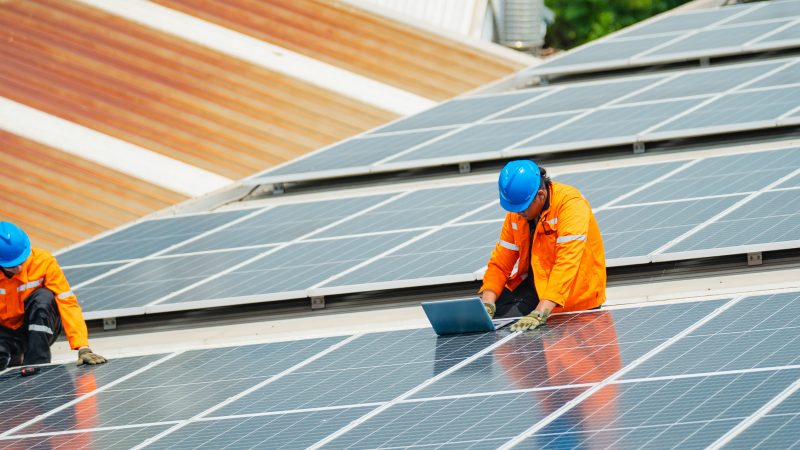
How rooftop solar can strengthen energy security in Canada7/2026 - By including targeted funding for these technologies in Budget 2026, the federal government can help Canadians save money, strengthen energy security, and accelerate the transition to a low‑carbon economy.
Deep Retrofit Diary: Tower transformation from 1967 to net zero7/2026 - Louise Lam provides an update on the net zero retrofit at 444 Logan, and how the project team's commitments to communication, transparency, and collaboration at every stage has helped build trust and foster meaningful partnerships.
Ontario’s solar rebate has a hidden catch7/2026 - Krithi Shankhari explains how to make the Ontario’s Home Renovation Savings Program more practical for homeowners and shares firsthand insights from installers navigating this mismatch and its broader impacts on Ontario’s grid.
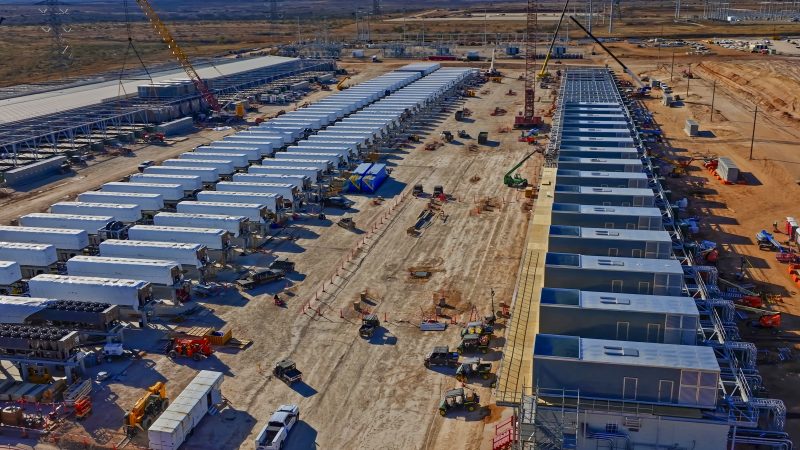
Growing data centre infrastructure without compromising the climate6/2026 - Guest bloggers Tyler Hamilton and Irene Lam outline why low-carbon design is key to earning community trust in Ontario's data centre sector.
One step forward, one step back for green buildings in Toronto6/2026 - CANADA'S NATIONAL OBSERVER - The City of Toronto is moving forward on zoning reforms to allow heat pump, battery, and solar installations. But legislative constraints on local climate action limit their impact. As Bryan Purcell puts it: “It's a situation of one step forward, one step back ... the changes are a great step, but the shift in the Toronto Green Standard is a huge setback.”
Toronto zoning changes offer low-cost relief for residents facing rising energy bills6/2026 - TAF comments on proposed Toronto zoning bylaw amendments that make it easier and more affordable for residents and businesses to adopt low‑carbon technologies.
TAF Newsletter: June 20266/2026 - In this edition, we jump into the practical, on‑the‑ground work powering the clean energy transition — a growing retrofit industry, progress on building standards, leveraging tax incentives, municipal readiness for future electricity projects, and a standout green building partnership in Newmarket.
Sustaining Canada’s quiet retrofit industry boom6/2026 - Canada has rapidly built a national retrofit delivery network that’s already activating billions in building upgrades, improving housing, and creating skilled jobs — but the federal program powering this progress is set to expire just as it’s proving its value. Fatima Crerar’s latest post makes the case for recapitalizing the Deep Retrofit Accelerator Initiative.
Vancouver and NYC expose the false climate-affordability tradeoff6/2026 - Building emissions reporting and performance standards are showing strong early results in Vancouver and NYC— but only one city is staying the course. Rolling back these policies risks both climate action and affordability progress.