
Toronto, ON — Bryan Purcell, VP Policy and Programs, The Atmospheric Fund (TAF) made the following statement in response to the City of Toronto’s proposed zoning bylaw amendments, making it easier and more affordable for residents and businesses to adopt low‑carbon technologies:
“At a time when affordability and economic pressures are top of mind, Toronto’s proposed zoning updates are a practical, no‑cost step that will make key climate actions more accessible for Torontonians. These changes will empower home and business owners to install heat pumps, solar panels, batteries, exterior insulation, or EV chargers – without unnecessary zoning hurdles. These common-sense zoning reforms will go a long way towards reducing red tape, lowering energy bills, and improving comfort and resilience as the costs of fossil fuels rise, and the need for electrification grows.
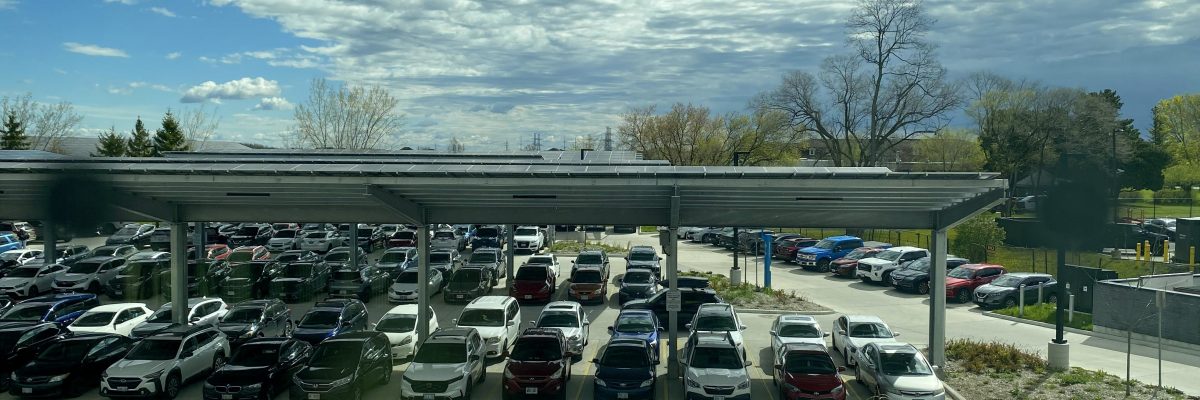
“The proposed amendments modernize outdated rules that have slowed down building retrofits and clean energy upgrades. Previous setback restrictions made heat pumps in front yards next to impossible, and solar canopies in parking lots were essentially banned. By clearing these barriers, the City is helping residents take control of their energy costs and enabling businesses to invest in solutions that strengthen Toronto’s long-term economic and climate resilience. Now there’s no reason all parking lots in Toronto can’t be covered in solar panels, creating shade and clean, affordable energy.
“We appreciate the City’s collaborative approach and the engagement of diverse stakeholders throughout this review. Following unanimous approval at Committee, we encourage Council to adopt the proposed amendments on June 22 and continue this work in future phases. We have already started working with industry stakeholders to identify the next tranche of zoning barriers to climate action.
“These are smart, cost‑effective actions that cities can take even when budgets are tight—and we encourage other municipalities across the GTHA and beyond to follow Toronto’s lead. Many of the barriers addressed here are common across Ontario, and similar reforms would unlock meaningful benefits for residents province‑wide.”
Background Materials
- Planning and Housing Committee Zoning for Low-Carbon Technologies – Final Report
- Draft Zoning Bylaw Amendment – Attachment 1

What about low carbon solutions for condominiums and high rises. Is anyone looking at these and older, in party?