Local implementation is the key to Powering Canada Strong9/2026 - To unlock the full value of electrification, Evan Wiseman recommends that federal investments and policies must be translated into practical, customer-facing solutions that enable Canadians to participate in and benefit from the transition.
Why electrification is an energy security strategy9/2026 - More than 60% of the gas that Ontario uses to heat our homes and power our industries isn’t local – it comes to us via the United States. Pat Ronan's analysis shows how our reliance on gas is a threat to our energy security.
Aligning Canada’s economic and climate agendas9/2026 - Isabella Ullerick explains what a sustainable finance taxonomy is, how Canada is developing one made for our economy, and what it means for investors and urban climate action.
Lessons from Copenhagen: A city for all9/2026 - Keith Burrows reflects on the Sustainable Buildings Delegation in Copenhagen, exploring local climate policies and emerging low carbon technologies that we can use to reduce emissions in the GTHA.
Ontario should harmonize our building code now for the housing we need8/2026 - Bryan Purcell, VP Policy and Programs, examines how aligning Ontario's Building Code with the national model codes is an opportunity to reduce red tape, strengthen interprovincial trade, and accelerate delivery of affordable, sustainable housing.
Healthy cities are at risk if Canada doesn’t follow through on strong vehicle emissions standards8/2026 - Evan Wiseman explains how the federal government's repeal of the Electric Vehicle Availability Standard (EVAS), without releasing a previously promised tailpipe emissions standard, creates a policy gap that will slow EV adoption, increase pollution in cities and suburbs, and reverse progress on the climate and affordability goals it had set to advance.
How Ontario can make C-PACE work for building owners and municipalities7/2026 - Krithi Shankhari outlines how a C-PACE program could work for borrowers and municipalities by balancing oversight and flexibility.
Canada’s EV transition is held up in our parking garages7/2026 - Through the Government of Canada’s 2026 Pre-Budget Consultation, TAF has recommended that the federal government invest $180 million over three years to electrify and futureproof existing multi-family buildings.
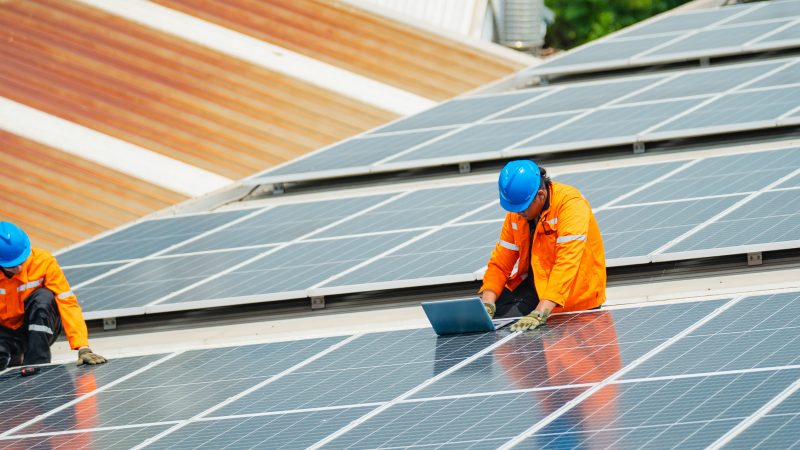
Support program aims to expand rooftop solar in Toronto and beyond7/2026 - CANADA'S NATIONAL OBSERVER - TAF's Home Solar Accelerator reached a key milestone with its first completed home solar installation. Chris Caners, TAF's Director of Clean Electrification, explains the program provides expert support and clear, jargon-free information while also working to reduce soft costs of the solar industry to increase adoption and make the industry more viable.
TAF Newsletter: July 20267/2026 - There’s no single path to vibrant, low carbon cities. They take shape through deliberate efforts: better policies and practical solutions that improve everyday life. This month, we've got a climate and affordability lens on municipal elections; more pathways to accelerate solar; a tool for tracking local council activity; financing green buildings; ideas for scaling data centres sustainably, and more.
Municipal elections are a chance to lead: A practical vision for a low carbon, affordable future7/2026 - Evan Wiseman explains why green buildings, distributed clean energy, and expanded urban mobility should be top priorities for Ontario municipalities—and why both candidates and voters should view leadership through a climate lens.
Ontario mulls new retrofit financing option7/2026 - CANADIAN PROPERTY MANAGEMENT - Preferential and accessible financing options are key to accelerating building retrofits, and a new proposal from the Government of Ontario might make that an option for more building owners. TAF's VP of Policy and Programs, Bryan Purcell, credits the Province for considering the approach and notes that uptake will be dependent on the terms that lenders offer.