
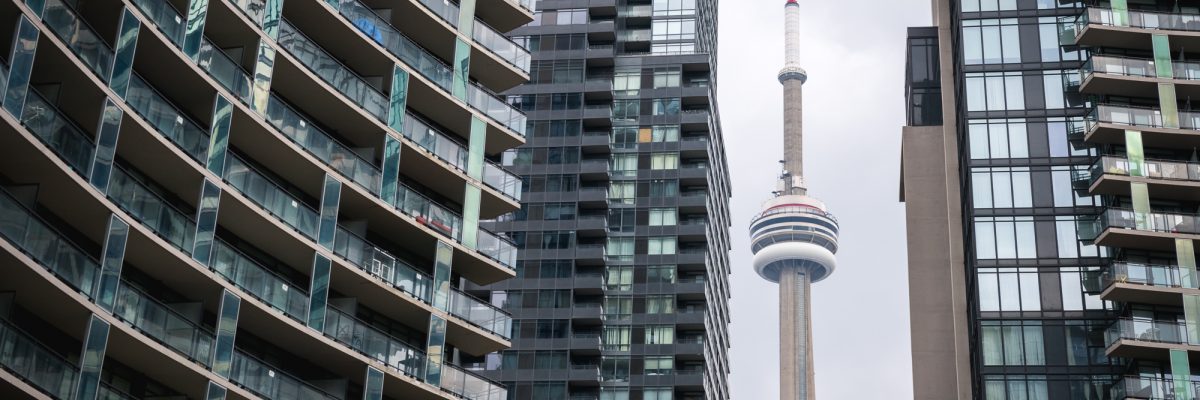
After two years of extensive consultation with stakeholders on the details of a Building Emissions Performance Standard (BEPS) bylaw, the City of Toronto paused consultations indefinitely, and dropped the item, expected today, from the council agenda. Given the recent carbon emissions inventory results and today’s pressing need for better buildings, it’s time Toronto resume consultations and approve a BEPS bylaw no later than Q2 of 2026.
What is a BEPS?
A BEPS is a local by-law that sets emissions targets for buildings based on their type and size, and requires building owners to improve the performance of their building gradually to remain in compliance. It is structured to provide regulatory certainty, allowing owners and operators to plan capital upgrades, save on operating costs, and improve the value of their building. BEPS are complemented by financial and technical support for building operators. Toronto’s BEPS will cover large commercial and multi-unit residential buildings. Single family homes, small buildings, and some specialized building types like industrial facilities, schools, and hospitals will be excluded.
What’s at stake
A BEPS will provide tremendous economic opportunity, driving demand for retrofit services and creating an estimated 7,000 full time jobs in Toronto. Residents and tenants will be able to enjoy healthier, resilient buildings with more affordable energy bills. BEPS is also the biggest opportunity for carbon reduction in the TransformTO climate plan. Without it, Toronto will have little progress to show on TransformTO, and would need to implement a host of new policies and programs to meet climate targets.
There is broad support for a Toronto BEPS
Extensive Toronto consultations revealed that many stakeholders support them, under certain conditions. The regulated sector is requesting certainty and lead time. Tenant advocates including ACORN Canada want assurances that tenants and affordability will be protected. TAF and other experts have weighed in with recommendations about how these expectations would be met, and leading jurisdictions like Boston and New York have shared lessons learned and best practices.
Overall, we’ve seen broad support for BEPS from multiple sectors, and a recent public poll showed 84% of Torontonians support their local governments applying building requirements that reduce greenhouse gas emissions.
Lead times for compliance are designed to be ample, allowing reasonable time for building owners to prepare and plan around capital renewal cycles. The bylaw is intended to apply first to the largest commercial buildings in 2030. Starting in 2033, multi-family and other building types will be phased in gradually. Based on the City’s modelling and policy design, 85% of applicable buildings will be in compliance and won’t need to make any changes. About 10% will need to make minor upgrades, and 5% will require a deeper review and further retrofits. There is available financing and support from the City, CMHC, FCM, and other lenders, to help building owners achieve performance targets. Based on analysis, there is enough available financing to support this 15% of buildings with reaching compliance. TAF and other organizations are working together to raise funds from the federal government to cover any potential funding gap.
Take action
There are two ways you can voice your support for Toronto’s BEPS: Deputing directly to the Infrastructure and Environment Committee or submitting a letter of support.
Depute
You can sign up to depute, or speak, at the Infrastructure and Environment Committee meeting on December 4. Send an email to iec@toronto.ca by 4:30pm on December 3 with your request to speak. You’ll have up to five minutes.
Send an email
Send an email to Mayor Olivia Chow and members of the Infrastructure and Environment Committee. Be specific about how a BEPS bylaw passed in this term of council would benefit your industry. Feel free to adapt this template or contact us for support with your submission.
Both actions require emailing iec@toronto.ca with the agenda item name and number – 2025.IE26.3 – TransformTO Net Zero Strategy: Action Plan (2026-2030) clearly in the subject line.

I am not surprised.
The underlying premiss for Net Zero is electrification will reduce carbon emissions.
Most buildings rely on Ontario grid for electricity. Scope 2 grid emissions, year after year, have increased because of the growing reliance on natural gas generation. This trend is expected to increase until completion of the Pickering refurbishment scheduled for sometime next decade.
Carbon emission growth of the grid compromises electrification as support for Net Zero.
BEPS would only make sense if our condo moved to renewables and battery storage. This involves an investment not currently scheduled in our RFS. It is a cost that owners will not support given the lack of financial support for any infrastructure
rescheduling.